The Definitive Guide to Personal Data Breach and Identity Theft Protection 2026

Introduction
The digital landscape of 2026 has brought unprecedented convenience, but it has also introduced highly sophisticated cyber threats. As artificial intelligence, quantum computing, and hyper-connectivity redefine how we live and work, they also redefine how cybercriminals target our private information. Today, securing your digital footprint is no longer a matter of simply choosing a strong password. Implementing a robust strategy for personal data breach and identity theft protection 2026 has become an absolute necessity for everyone navigating the modern Web.
In this comprehensive guide, we will analyze the evolving threat landscape of 2026, explore how bad actors exploit vulnerabilities, and outline actionable, state-of-the-art strategies to protect your digital identity from unauthorized access and malicious exploitation.



The Evolving Threat Landscape: Why 2026 is Different
Cybersecurity has entered a paradigm shift. In the past, identity theft often involved simple phishing emails or basic database leaks. However, in 2026, cybercriminals utilize highly advanced systems to orchestrate attacks at scale.
AI-Powered Social Engineering
Generative AI has evolved to the point where bad actors can clone voices and generate hyper-realistic video deepfakes in real-time. This allows scammers to bypass traditional verification processes and target individuals with highly personalized, automated phishing campaigns. Under these conditions, traditional detection methods are no longer sufficient.
Synthetic Identity Theft
Rather than stealing an entire identity, criminals now create ‘synthetic’ identities. They combine real, stolen information (such as a Social Security number or national ID) with fake details to build entirely new credit profiles. This makes detection extremely difficult for financial institutions and victims alike, as the fraud does not immediately appear on the victim’s primary accounts.
Quantum-Adjacent Decryption threats
With quantum computing capabilities rapidly advancing, legacy encryption algorithms are becoming increasingly vulnerable. Cybercriminals are actively harvesting encrypted data now, intending to decrypt it later once quantum processing becomes widely accessible. This ‘harvest now, decrypt later’ strategy emphasizes the urgent need for quantum-resistant data security protocols today.
Core Pillars of Personal Data Breach and Identity Theft Protection 2026
To effectively safeguard your sensitive information in this complex ecosystem, you must implement a multi-layered defensive framework. Relying on a single line of defense is a critical vulnerability.
1. Passwordless Authentication and Passkeys
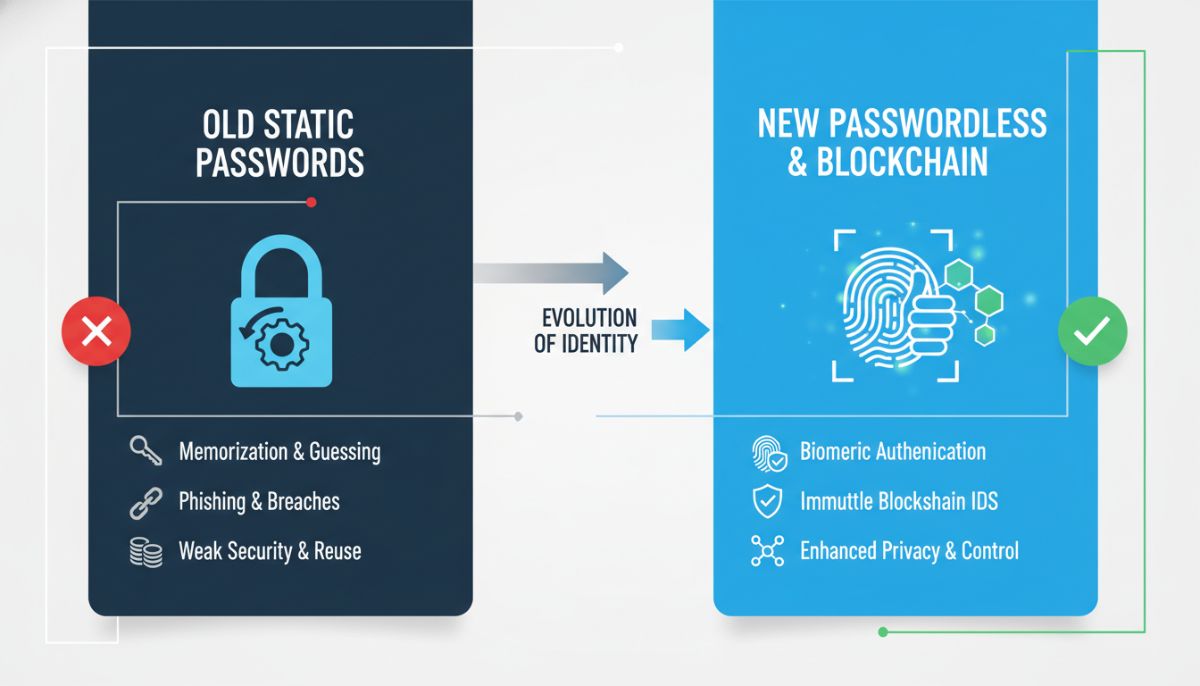
Traditional passwords are the weakest link in personal security. By 2026, the tech industry has shifted heavily toward passwordless authentication. Passkeys, which utilize cryptographic key pairs bound to physical devices and biometrics (such as facial recognition or fingerprint scans), have emerged as the gold standard. They are inherently resistant to phishing attacks because there is no static password for an attacker to steal.
2. Decentralized Identity (Self-Sovereign Identity)
Decentralized identity systems allow users to control their own credentials without relying on massive, centralized databases that serve as lucrative targets for hackers. By utilizing blockchain technology, you can share only necessary verification data (e.g., proving you are over 21 without revealing your exact date of birth or full name), thereby minimizing data exposure.
3. Active Dark Web Monitoring and Zero-Trust Architecture
Adopting a personal ‘Zero-Trust’ mindset means verifying every digital interaction. Additionally, using advanced dark web monitoring services that scan underground forums in real-time ensures that you are immediately alerted the moment your credentials or personal information are compromised.
‘In 2026, identity is no longer defined by a static social security number, but by a dynamic web of behavioral biometrics and decentralized cryptographic keys. Protecting it requires a shift from reactive recovery to continuous, autonomous defense.’ — Cybersecurity Sentinel Institute
Legacy Security vs. Modern 2026 Security Standards
To understand why modern protocols are necessary, let us look at how security measures have evolved over the last few years.
| Feature | Legacy Security Standards (Pre-2023) | Advanced Security Standards (2026) |
|---|---|---|
| Primary Credentials | Static alphanumeric passwords | Cryptographic Passkeys & Multi-Modal Biometrics |
| MFA Delivery | SMS OTP (Vulnerable to SIM Swapping) | Hardware Security Keys & Authenticator Apps |
| Identity Management | Centralized corporate databases | Decentralized, Sovereign Identity (SSI) |
| Threat Monitoring | Periodic credit report reviews | AI-driven, continuous dark web monitoring |
| Breach Recovery | Manual disputes and phone calls | Automated, smart-contract-assisted identity restoration |
| Data Sharing | Sharing complete documentation | Zero-Knowledge Proofs (ZKP) for selective disclosure |
The Role of AI in Personal Cyber Defense
While cybercriminals use artificial intelligence to execute sophisticated attacks, consumers can also leverage AI to fortify their own defense systems. AI-driven security assistants can now run locally on personal devices, analyzing network traffic patterns, identifying anomalous behaviors, and flagging potential social engineering attempts before they cause harm.
For instance, modern personal security suites can automatically detect if an incoming call or video feed is a synthetic clone (deepfake) by analyzing micro-expressions or voice frequency patterns. Utilizing these advanced tools is a vital aspect of comprehensive personal data breach and identity theft protection 2026.
Implementing Defensive AI Tools:
- Email Filtering: Use AI-powered email clients that detect semantic anomalies rather than just looking for suspicious links or blacklisted domains.
- Behavioral Biometrics: Enable security applications that monitor user interaction patterns (like typing speed and mouse movements) to confirm identity in addition to biometrics.
- Automated Credit Freezes: Utilize apps that dynamically lock and unlock your credit reports across major bureaus instantly based on your location and active transaction attempts.
Actionable Post-Breach Protocol: What to Do If Your Data is Exposed
Despite the best preventative measures, breaches can still occur due to third-party vendor compromises. If you receive a notification that your data has been leaked, you must act decisively to mitigate the potential damage.

Step 1: Freeze Your Credit Immediately
This is the single most effective barrier against financial identity theft. Freezing your credit prevents lenders from pulling your credit report, which stops criminals from opening new accounts or taking out loans in your name.
Step 2: Revoke Active Sessions and Rotate Cryptographic Keys
Log out of all active sessions across your digital accounts. If you use passkeys, revoke the compromised device’s access immediately. If you still rely on passwords, change them immediately using a secure, offline password manager.
Step 3: Audit Connected Third-Party Applications
Many modern breaches occur when a secondary application with API access to your primary account is compromised. Go to your security settings and remove any third-party integrations that are outdated or no longer necessary.
Step 4: File Official Reports
Document the breach. File a report with national identity theft recovery portals (such as IdentityTheft.gov in the US) and your local law enforcement agency. These official filings are vital for disputing fraudulent transactions later.
Conclusion: Building Resilience in the Digital Age
As we navigate 2026 and beyond, absolute privacy may be challenging to achieve, but absolute resilience is well within our reach. By understanding the sophisticated methods employed by modern cybercriminals and adopting proactive measures like passwordless passkeys, decentralized identity, and AI-driven monitoring, you can drastically reduce your attack surface.
Effective personal data breach and identity theft protection 2026 is not a set-it-and-forget-it task; it is an ongoing commitment to digital hygiene and vigilance. Stay informed, leverage modern security technologies, and prioritize your digital sovereignty to protect your personal information in an increasingly interconnected world.