Shielding the Modern Workforce: The Rise of Short-Term Micro-Insurance for Gig Economy Tasks

The landscape of global labor has undergone a tectonic shift over the past decade. Traditional, lifelong employment with comprehensive corporate benefits is no longer the sole standard. Instead, millions of individuals have joined the thriving contingent workforce, relying on digital platforms to secure freelancing, ride-sharing, courier, and home service opportunities. However, this shift toward flexibility has left a glaring vulnerability: the lack of robust, adaptable safety nets. Traditional insurance products, built on rigid annual premium structures, fail to address the fluid nature of freelance work. To bridge this divide, a revolutionary financial tool has emerged: short-term micro-insurance for gig economy tasks.
This innovative insurance paradigm offers customized, transactional, and on-demand coverage tailored specifically to the precise duration and scope of a single gig. By aligning protection with actual active work hours, micro-insurance is fundamentally reshaping how independent contractors manage operational risks.





The Crucial Insurance Gap in the Gig Economy
For traditional employees, benefits like health insurance, worker’s compensation, and professional liability are managed and partially funded by employers. Gig workers, on the other hand, are classified as independent contractors. Consequently, they bear the full burden of managing their own professional and physical risks.
Traditional commercial insurance policies present several significant barriers to gig workers:
- Prohibitive Costs: Annual premiums for general liability or professional indemnity insurance are often too expensive for part-time or low-income freelancers.
- Inflexible Commitments: Traditional policies lock policyholders into twelve-month contracts, which do not align with seasonal or sporadic working patterns.
- Complex Underwriting: The legacy underwriting process is slow, requiring extensive paperwork and manual assessments that do not match the instant-on nature of digital platforms.
- Regulatory Hurdles: Insurance laws in many jurisdictions are antiquated, built around the assumption of annual coverage. Regulators must modernize frameworks to permit micro-transactions.
- Data Privacy Concerns: Because on-demand insurance relies heavily on real-time data tracking (such as GPS coordinates or driving speed), safeguarding worker privacy is of paramount importance.
- Risk Pool Sustainability: Underwriting highly volatile, short-duration risks requires highly advanced predictive algorithms to ensure that claims payouts do not consistently exceed collected premiums.
If a food delivery courier suffers an accident or a freelance photographer damages expensive equipment during a shoot, the financial fallout can be catastrophic. Without affordable, task-specific coverage, these micro-entrepreneurs operate under constant financial peril. This is precisely where short-term micro-insurance for gig economy tasks becomes an indispensable asset.
Understanding Short-Term Micro-Insurance for Gig Economy Tasks
Short-term micro-insurance for gig economy tasks is a pay-as-you-go financial product designed to cover specific risks for a limited duration—sometimes down to the exact minute, hour, or mile. Powered by InsurTech (Insurance Technology) platforms, these policies can be activated instantly via mobile applications or directly embedded into gig platforms like Uber, TaskRabbit, or Upwork.
For instance, if a freelance graphic designer secures a three-day project that requires sharing sensitive client data, they can purchase micro-cyber liability insurance that remains active solely for those seventy-two hours. Once the task is completed, the coverage expires, and the premium payments cease.
“The modern workforce requires a fluid protective framework. Traditional insurance is a static shield designed for a bygone era, whereas micro-insurance operates as dynamic armor, activating precisely when a task begins and deactivating when the job is done.”
The Technological Engines of Micro-Insurance
To make micro-insurance economically viable for providers, the system relies heavily on modern technologies:
1. Application Programming Interfaces (APIs): Seamlessly integrate insurance options into the checkout or job-acceptance screens of gig platforms.
2. Internet of Things (IoT) and Telematics: Monitor real-time behaviors (e.g., GPS tracking for delivery drivers) to assess risk levels on the fly.
3. Artificial Intelligence (AI) and Machine Learning: Automate the underwriting and claims process, enabling instant claim payouts based on pre-defined parameters.
Comparing Traditional Insurance and Short-Term Micro-Insurance
To illustrate the fundamental differences between these two risk-mitigation strategies, the table below outlines their primary features:
| Feature | Traditional Commercial Insurance | Short-Term Micro-Insurance |
|---|---|---|
| Coverage Duration | Annual (12-month policy terms) | On-demand (hourly, daily, or task-based) |
| Pricing Structure | Fixed annual or monthly premiums | Pay-as-you-go / dynamic transactional pricing |
| Underwriting Process | Manual, slow, and paper-intensive | Automated, algorithmic, and instantaneous |
| Activation Method | Brokers, extensive phone calls, or portals | In-app, embedded, or automated via API |
| Target Audience | Established SMEs and large corporations | Freelancers, gig workers, and micro-contractors |
| Minimum Premium | Often hundreds or thousands of dollars | Frequently starting at less than a dollar per hour |
Practical Use Cases Across Diverse Gig Sectors
The utility of short-term micro-insurance for gig economy tasks spans various freelance verticals, offering hyper-targeted solutions for diverse professions.
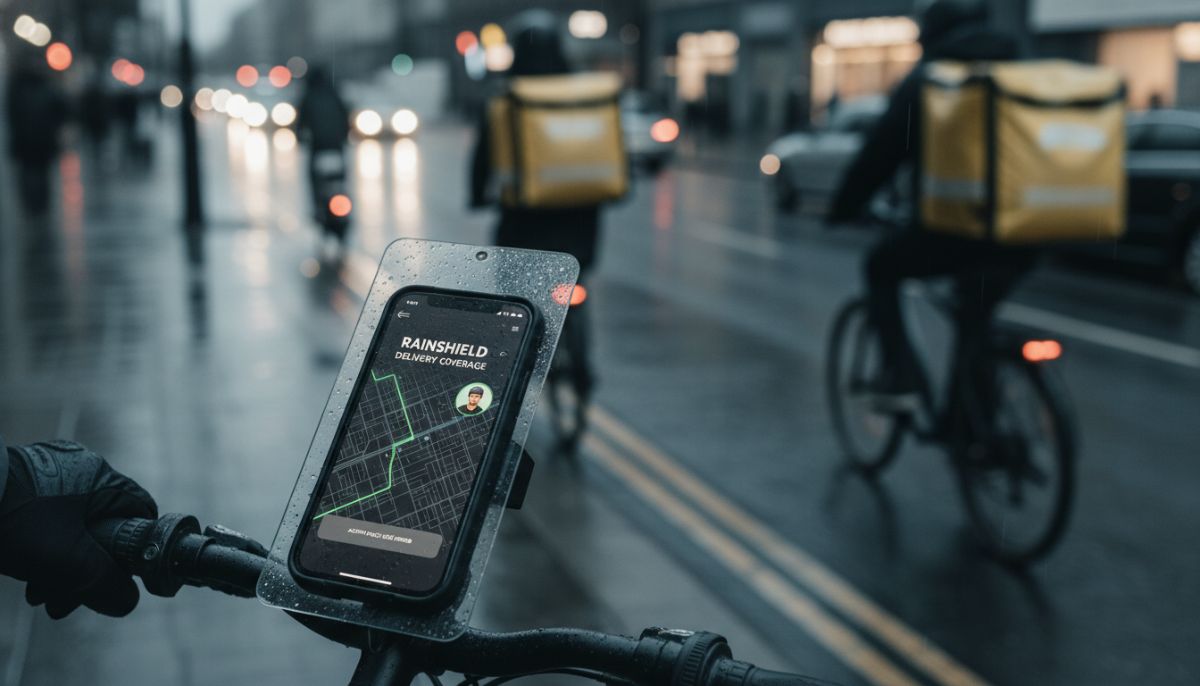
1. On-Demand Ride-Sharing and Delivery Services
While major ride-sharing platforms offer basic liability insurance during active rides, coverage gaps often exist when drivers are waiting for a ride request. On-demand micro-insurance can step in to provide secondary collision and liability coverage during these specific transitional periods, protecting the driver’s primary asset—their vehicle.
2. Manual Labor and Home Maintenance
For taskers offering plumbing, electrical work, assembly, or cleaning services, a single mistake can result in property damage. Short-term general liability insurance allows these workers to purchase coverage for the exact duration of a home visit, giving peace of mind to both the service provider and the homeowner.
3. Professional Services and Creative Freelancing
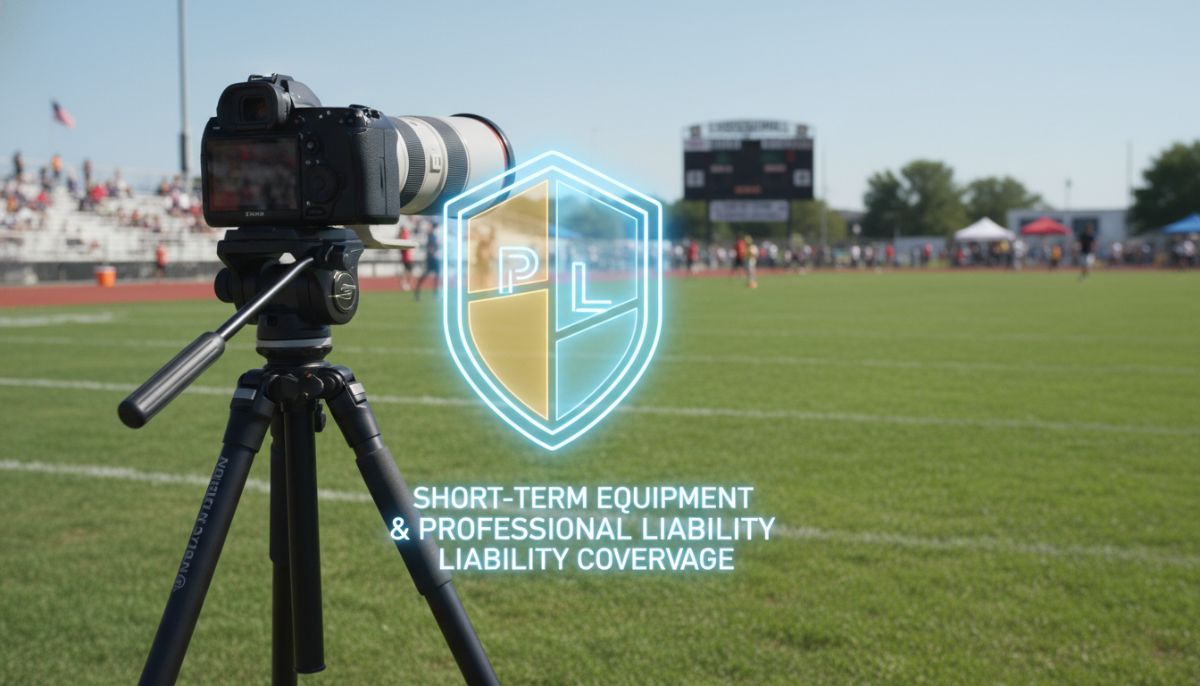
Creative freelancers, such as videographers, event planners, and IT consultants, often handle high-value equipment or proprietary client data. If a videographer drops a rented camera body during a wedding, or an IT consultant accidentally triggers a system outage, a short-term professional indemnity policy purchased for that specific gig protects them from ruinous litigation.
Benefits of On-Demand Coverage for Gig Workers and Platforms
The adoption of short-term micro-insurance for gig economy tasks offers substantial advantages to all stakeholders involved in the ecosystem.
Empowering Freelancers with Financial Security
By lowering the cost barrier, micro-insurance democratizes access to financial protection. Workers who could never afford a standard commercial policy can now secure their livelihoods for a negligible fraction of their gig earnings. This financial security fosters greater confidence, allowing freelancers to take on more complex, higher-paying contracts that require proof of insurance.
Boosting Platform Credibility and Safety
For gig marketplaces (such as Fiverr, TaskRabbit, or local equivalents), offering embedded short-term micro-insurance options attracts high-quality service providers and reassures clients. It transforms a simple gig directory into a secure, institutionalized marketplace, mitigating platform-wide operational risks and reducing legal disputes.
Opening New Horizons for InsurTech Providers
Traditional insurers are facing stagnating growth in legacy markets. By partnering with gig platforms and embracing InsurTech solutions, forward-thinking insurance carriers can tap into a massive, underserved global demographic of over one billion independent workers, unlocking substantial new revenue streams.
Addressing the Challenges of Micro-Insurance Implementation
Despite its immense promise, the widespread adoption of short-term micro-insurance is not without challenges. InsurTech firms and regulators must collaborate to solve several operational bottlenecks:
As algorithms grow more sophisticated and regulatory bodies adapt to digital-first financial products, these challenges are steadily being overcome, paving the way for micro-insurance to become a global industry standard.
Conclusion: The Future of Protection in the Digital Age
The rise of the gig economy has permanently altered our relationship with labor, and our systems of financial protection must evolve in tandem. Short-term micro-insurance for gig economy tasks represents the logical evolution of risk management. By replacing monolithic, rigid policies with modular, pay-as-you-go coverage, InsurTech platforms are empowering freelancers to work with confidence, security, and true independence.
As technology advances and embedded insurance becomes the default option across digital marketplaces, short-term micro-insurance will transition from a novel financial alternative to an indispensable pillar of the global digital economy. For the millions who drive, code, design, and build on their own terms, this flexible safety net represents nothing less than the future of work.