Protecting Green Assets: A Comprehensive Guide to Renewable Energy Equipment Breakdown Insurance

The global transition toward sustainable power sources is accelerating at an unprecedented pace. Governments, private corporations, and institutional investors are committing trillions of dollars to deploy state-of-the-art solar arrays, massive wind farms, hydroelectric facilities, and battery energy storage systems (BESS). However, these high-tech installations are built upon sophisticated, delicate, and capital-intensive components. When a critical mechanism fails internally, the financial losses from repair costs and operational downtime can be devastating. To mitigate these risks, securing comprehensive renewable energy equipment breakdown insurance has become a fundamental pillar of modern clean energy risk management.
While standard commercial property insurance covers external perils such as fire, lightning, or vandalism, it often excludes losses arising from internal mechanical failures, electrical arcing, or technological glitches. This article provides an in-depth analysis of why specialized renewable energy equipment breakdown insurance is essential for safeguarding your green investments, optimizing project bankability, and ensuring long-term financial resilience.

The Critical Need for Renewable Energy Equipment Breakdown Insurance
Renewable energy systems are marvels of modern engineering, yet they operate under harsh environmental conditions. Solar panels are exposed to extreme heat and temperature fluctuations, wind turbines face turbulent winds and structural stress, and battery systems are vulnerable to thermal runaway and chemical degradation.
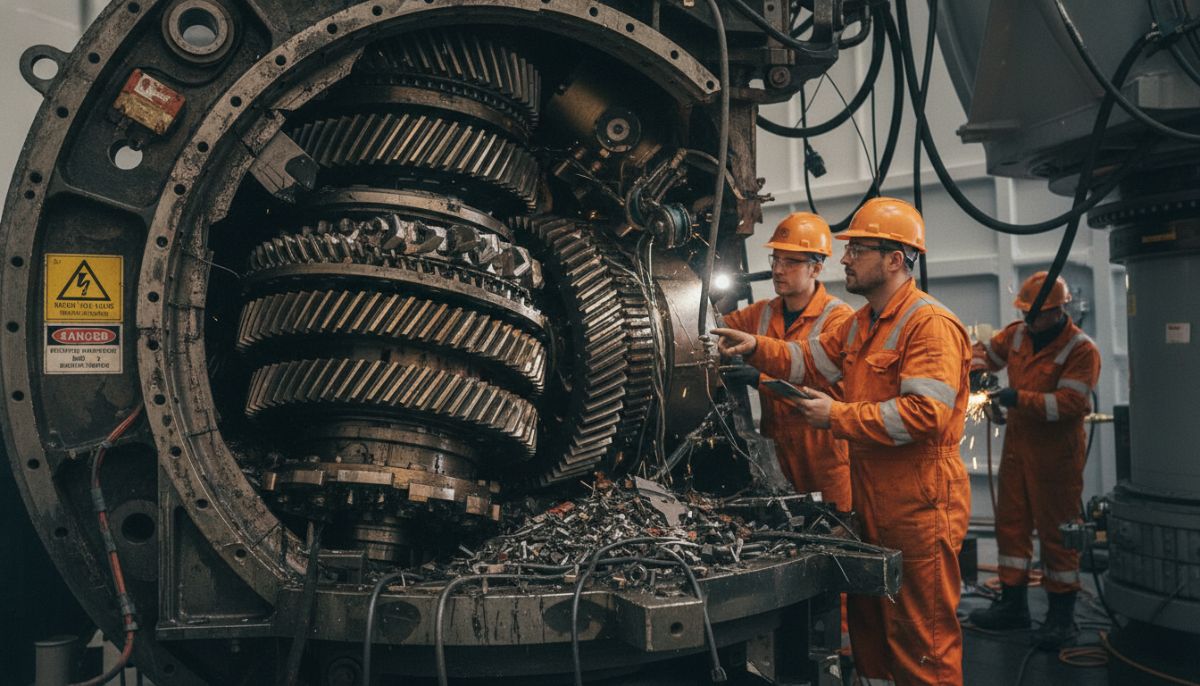
Standard commercial property policies are designed to protect physical assets from external forces. However, they typically exclude coverage for internal breakdown. If a wind turbine’s gearbox seizes due to lubrication failure, or a solar farm’s central inverter suffers a massive short circuit, a standard policy will not cover the loss. This is where specialized renewable energy equipment breakdown insurance becomes vital.
Without this tailored coverage, developers and operators are forced to absorb the astronomical costs of replacing advanced components, alongside the compounding losses of unpaid utility contracts and lost feed-in tariffs (FiTs).
Property Insurance vs. Equipment Breakdown Insurance
To understand the true value of renewable energy equipment breakdown insurance, it is critical to compare its scope of coverage against standard commercial property policies. The table below illustrates the primary differences in coverage areas for clean energy installations:
| Coverage Feature | Standard Commercial Property Insurance | Renewable Energy Equipment Breakdown Insurance |
|---|---|---|
| External Perils (Fire, Windstorm, Theft, Flood) | Covered (subject to policy exclusions) | Typically excluded (or coordinates with property policies) |
| Mechanical Breakdown (Gearbox seizure, bearing failures) | Excluded | Covered |
| Electrical Breakdown (Arcing, short circuits, voltage surges) | Excluded | Covered |
| Business Interruption (Lost revenue due to internal failure) | Excluded | Covered (including lost green tax credits & incentives) |
| Operator / Maintenance Error (Accidental misuse) | Excluded | Covered |
| Expediting Expenses (Fast-tracked parts & air freight) | Excluded | Covered |
As shown in the table, relying solely on standard property insurance leaves a massive gap in risk coverage. A single electrical surge can render an entire solar array offline, making specialized protection indispensable for operational continuity.
Key Components Covered by the Policy
Renewable energy assets vary significantly depending on the technology used. A robust renewable energy equipment breakdown insurance policy is customized to address the unique vulnerabilities of different clean energy systems:
1. Solar Photovoltaic (PV) Systems
In solar installations, the most common failures do not occur within the static PV panels themselves, but within the dynamic electrical distribution network. Critical components covered include:
- Inverters: These devices convert direct current (DC) into usable alternating current (AC). They are highly sensitive to thermal stress, firmware errors, and internal short circuits.
- Solar Trackers: Mechanical failures in the tracking motors can prevent panels from aligning with the sun, severely reducing energy generation.
- Step-up Transformers: These units raise voltage for grid transmission and are highly susceptible to catastrophic insulation breakdown.
- Gearboxes: Subject to extreme torque and structural stress, gearboxes are historically the most frequent point of mechanical failure in wind farms.
- Generators: Vulnerable to electrical winding failure and overheating.
- Yaw and Pitch Control Systems: Mechanical or electrical failure in these positioning motors can prevent the turbine from operating safely or efficiently.
- Thermal Runaway: Internal chemical failures can cause rapid temperature increases, leading to fires or total unit loss.
- Battery Management Systems (BMS): Software or hardware glitches in the BMS can cause overcharging or deep discharging, permanently damaging battery cells.
2. Wind Energy Infrastructure
Wind turbines are massive mechanical structures containing thousands of moving parts operating at high altitudes. Key components covered include:
3. Battery Energy Storage Systems (BESS)
As grid integration grows, large-scale battery storage has become critical. However, BESS installations present unique risks:
The Financial Consequences of Operational Downtime
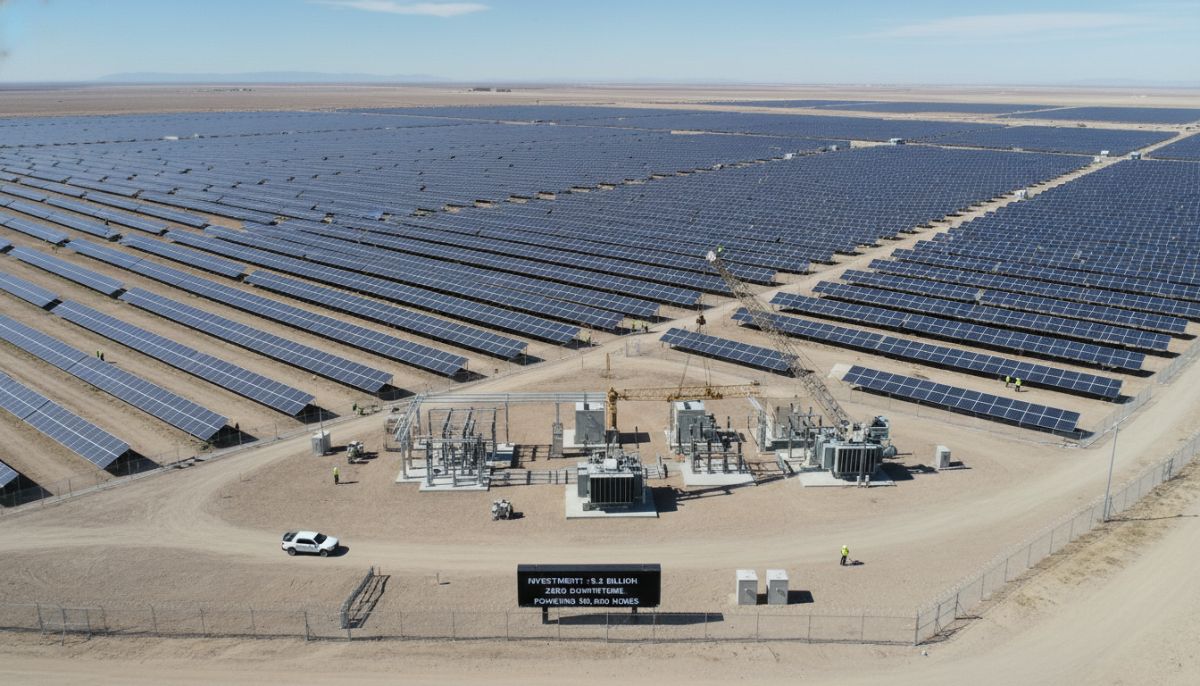
In the renewable energy sector, physical damage to equipment is often only a fraction of the total financial loss. The true risk lies in prolonged operational downtime. Clean energy projects operate on tight financial margins, often backed by Power Purchase Agreements (PPAs) that require consistent energy delivery to the grid.
“In the renewable sector, physical damage is only half the battle. The true financial catastrophe often lies in the prolonged downtime, supply chain bottlenecks for custom parts, and lost feed-in tariffs during equipment failure recovery.”
If a vital transformer fails, sourcing a replacement can take several months due to specialized manufacturing and supply chain delays. During this period, the project generates zero revenue but continues to incur fixed operating costs, debt service obligations, and potential penalties for failing to meet grid delivery quotas.
Renewable energy equipment breakdown insurance addresses this exposure by offering comprehensive Business Interruption (BI) and Extra Expense coverage. This ensures that the policyholder is compensated for lost revenue, tax incentives (such as Investment Tax Credits or Production Tax Credits), and green certificates that would have been earned had the equipment been functioning normally.
Underwriting Factors: How to Optimize Your Coverage and Premium
Insurance carriers evaluate several key risk factors when underwriting a renewable energy equipment breakdown insurance policy. To secure favorable terms and competitive premiums, project developers and operators must demonstrate proactive risk management:
1. Robust Preventive Maintenance Programs
Underwriters favor projects that employ rigorous, scheduled maintenance. Utilizing predictive technologies like thermal imaging, vibration analysis for wind turbine gearboxes, and regular oil analysis can catch minor issues before they escalate into catastrophic failures.
2. Original Equipment Manufacturer (OEM) Quality and Warranties
The reputation of the equipment manufacturer plays a critical role. Insurance companies assess the reliability and track record of the specified PV modules, wind turbines, and inverters. Long-term OEM warranties can sometimes run parallel with insurance, but they typically do not cover business interruption, making insurance still necessary.
3. Supervisory Control and Data Acquisition (SCADA) Systems
Modern clean energy assets must be monitored continuously. Utilizing advanced SCADA systems allows operators to identify performance anomalies in real-time, automatically shutting down failing systems before extensive damage occurs.
[IMAGE_PROMPT: Technicians in a high-tech control room monitoring real-time performance data and diagnostic charts of a hybrid wind-solar power plant.]
Conclusion: Building a Resilient Clean Energy Future
The global shift toward sustainable power is an exciting and necessary development, but it comes with unique operational vulnerabilities. The sophisticated machinery that converts wind, sunlight, and water into electricity is highly sensitive to mechanical and electrical stress.
Investing in renewable energy equipment breakdown insurance is not merely an administrative box to tick; it is a critical financial strategy that protects your balance sheet from catastrophic capital expenditures and devastating business interruption losses. By working closely with specialized insurance brokers, understanding the specific exposures of your assets, and implementing robust maintenance protocols, you can ensure that your renewable energy project remains viable, profitable, and resilient for decades to come.